The Winter Plant Massacre (And How to Stop It)
I used to panic-water. Move plants to the sunniest window. Whisper apologies. Nothing worked.
Then I learned the truth: winter isn't just cold—it's a completely different growing environment. Shorter days. Dry air. Temperature swings. Your plants aren't being dramatic—they're stressed.
After three winters of trial and error (and way too many plant funerals), I finally cracked the code. Now my plants not only survive winter—they thrive.
Here's exactly what I do. No grow lights. No humidifiers. No fancy gadgets. Just smart, simple adjustments that work.
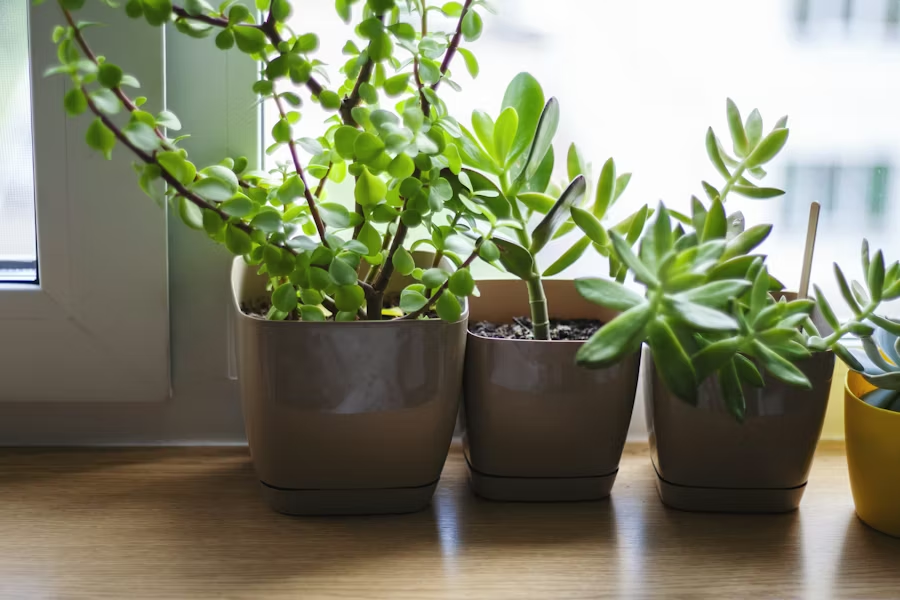
"Most houseplant deaths aren't from cold—they're from light starvation."
The #1 Killer: Not Enough Light
In summer, your plants get 14+ hours of daylight. In winter? Maybe 8. That's a 40% drop in energy.
Most houseplant deaths aren't from cold—they're from light starvation. Your plant is literally running out of fuel.
Winter Light Hacks
- Move plants closer to windows (within 1–2 feet)
- Clean your windows—dust blocks 20% of light
- Rotate plants weekly for even exposure
- Reflect light with white walls or mirrors nearby
- Accept lower growth—it's completely normal
Pro tip: South-facing windows are gold in winter. North-facing? Only snake plants and ZZ plants will tolerate that low light.
Watering: The Winter Adjustment
Here's where most people go wrong. They keep watering on their summer schedule, and their plants drown in soggy soil that never dries out.
In winter, your plants need 50% less water. Less light means less photosynthesis, which means less water uptake. It's that simple.
Do This
- Check soil before watering—always
- Wait until top 2 inches are dry
- Water less frequently, same amount
- Use room-temperature water
- Empty saucers after 30 minutes
Avoid This
- Watering on a fixed schedule
- Cold tap water straight from pipes
- Letting plants sit in water
- Misting as a watering substitute
- Assuming wilting means thirst
Humidity: The Hidden Stressor
Central heating drops indoor humidity to desert levels—sometimes below 30%. Your tropical plants evolved in 60-80% humidity. No wonder they're struggling.
Easy Humidity Fixes
- Group plants together — they create their own microclimate
- Pebble trays — water evaporates around the plant
- Move to the bathroom — natural humidity from showers
- Keep away from radiators — direct heat is brutal
You don't need a humidifier. Grouping plants together and using pebble trays gets most plants through winter just fine.
Temperature: The Draft Problem
Most houseplants are happy at normal room temperature (18-22°C). The problem isn't the cold—it's the inconsistency.
- Cold draughts from windows and doors
- Hot blasts from radiators and heating vents
- Temperature swings between day and night
Check where your plants are sitting. If they're near a draughty window or directly above a radiator, that's your problem.
Pests: They Love Winter Too
Warm, dry indoor air is paradise for spider mites, mealybugs, and scale. And stressed plants are more vulnerable.
Inspect your plants weekly. Check the undersides of leaves, the stems, and where leaves meet the stem. Catching pests early is everything.
Weekly Pest Patrol
- Check undersides of leaves for tiny dots (spider mites)
- Look for white cottony patches (mealybugs)
- Feel stems for bumps (scale)
- Watch for sticky residue on leaves or nearby surfaces
Your Winter Plant Care Checklist
Weekly Winter Routine
- Move plants closer to windows
- Clean windows for maximum light
- Water 50% less than summer
- Check soil before watering
- Group plants for humidity
- Avoid cold draughts
- Keep away from heat vents
- Inspect for pests
- Rotate plants weekly
- Accept slower growth
Which Plants Handle Winter Best?
Thrive in Winter
Need Extra Love
Final Thought
Winter doesn't have to be a plant graveyard. Adjust. Observe. Relax. Your plants will thank you come spring.